Maintaining Victorian Properties in West End London
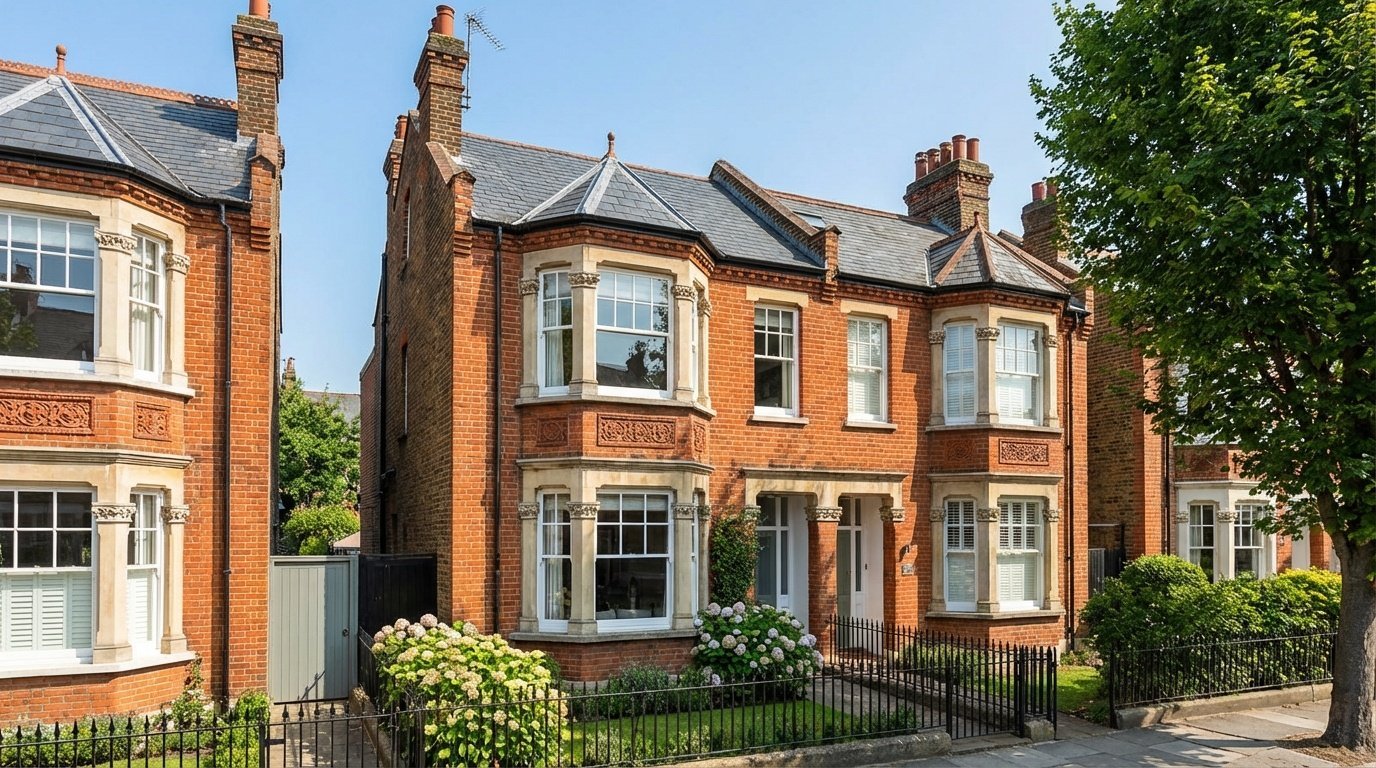
Victorian properties across West End London represent some of the capital's most characterful and desirable homes. Built between 1837 and 1901 during Queen Victoria's reign, these properties showcase distinctive architectural features and construction methods that require specialized knowledge to maintain properly. This comprehensive guide from our experienced building surveyors shares expert advice on caring for your Victorian property.
Understanding Victorian Construction
Before discussing maintenance, it's essential to understand how Victorian properties were built. This knowledge helps you appreciate why certain issues occur and how to address them sympathetically.
Typical Construction Methods
Most Victorian houses in areas like Kensington, Chelsea, and Westminster feature:
- Solid brick walls: Usually two bricks thick (nine inches) with no cavity, lime mortar joints
- Suspended timber floors: Ground floors built with timber joists over ventilated voids
- Slate roofs: Natural slate tiles on timber battens and rafters
- Sash windows: Traditional sliding sash windows with weights and pulleys
- Lime plaster: Internal walls finished with breathable lime-based plasters
- Cast iron rainwater goods: Gutters and downpipes in decorative cast iron
Why Victorian Properties Need Different Care
Victorian buildings were designed to "breathe." Unlike modern cavity wall construction with damp-proof courses and membranes, Victorian properties manage moisture through:
- Breathable lime mortars and plasters that allow water vapor to evaporate
- Suspended timber floors with air circulation beneath
- Natural materials that can absorb and release moisture
Modern materials like cement render, gypsum plaster, and impermeable paints can trap moisture, causing serious problems in Victorian buildings.
Common Victorian Property Defects
With deep knowledge of West End London property, our experienced surveyors regularly encounter these issues:
1. Damp Problems
Rising Damp
Victorian properties often lack damp-proof courses (DPCs). While not always problematic, rising damp can occur when:
- Ground levels have been raised against walls
- Airbricks are blocked, preventing floor void ventilation
- Cement pointing prevents walls from breathing
- Internal ground levels are too high
Solutions:
- Lower external ground levels away from walls
- Clear blocked airbricks and ensure adequate ventilation
- Remove cement renders and replaster with lime
- Install appropriate drainage
Penetrating Damp
Solid walls can allow water penetration during prolonged wet weather. Common causes include:
- Defective pointing allowing water ingress
- Cracked or damaged render
- Leaking gutters and downpipes
- Missing or damaged roof tiles
Solutions:
- Repoint brickwork using lime mortar
- Repair render with compatible materials
- Maintain rainwater goods regularly
- Replace damaged roof tiles promptly
Condensation
Modern living creates more moisture than Victorian homes were designed for. Condensation problems often arise from:
- Inadequate ventilation
- Impermeable modern paints and plasters
- Double glazing reducing natural ventilation
- Central heating without adequate ventilation
Solutions:
- Improve ventilation with controllable vents
- Use breathable paints and materials
- Install mechanical ventilation in kitchens and bathrooms
- Balance heating with adequate air circulation
2. Structural Movement
Bay Window Subsidence
Victorian bay windows often show diagonal cracking above or around them. This occurs because:
- Bay foundations are often shallower than the main building
- The projecting structure is exposed to weather on three sides
- Clay soil movement affects shallow foundations more
Assessment: Most bay window cracks are historic and stabilized. Our building surveyors can determine if movement is ongoing or historic through crack monitoring.
Party Wall Movement
Terraced Victorian properties share party walls that can show movement due to:
- Different foundation depths
- Alterations by neighbors over the years
- Removal of chimney breasts affecting support
- Inadequate support when openings were created
3. Roof Issues
Slate Deterioration
Original Victorian slates can last 100-150 years, but eventually:
- Slates become brittle and crack
- Nail fixings corrode, causing slippage
- Delamination occurs (slates splitting into layers)
Maintenance:
- Regular inspections to identify loose or damaged slates
- Replace individual slates as needed
- Plan for eventual complete re-roofing (typically every 100-150 years)
- Consider drone surveys for safe high-level inspection
Valley Gutter Problems
Victorian roofs often feature valley gutters (lead-lined channels where roof slopes meet). Issues include:
- Lead deterioration or splitting
- Inadequate falls causing water ponding
- Debris accumulation blocking drainage
Regular inspection and maintenance of valley gutters prevents expensive water damage to ceilings and walls below.
4. Timber Decay
Floor Joists
Suspended timber ground floors can suffer from:
- Wet rot where ventilation is inadequate
- Dry rot in persistently damp conditions
- Woodworm in untreated timbers
Prevention:
- Ensure airbricks remain clear and unobstructed
- Maintain adequate cross-ventilation under floors
- Address any damp sources promptly
- Regular inspection of floor voids
Roof Timbers
Roof structures can be affected by:
- Wet rot from leaking roofs
- Woodworm infestation
- Long-term overloading
5. Window Problems
Sash Window Issues
Original Victorian sash windows often exhibit:
- Rot in bottom rails and sills from weather exposure
- Broken sash cords requiring replacement
- Paint buildup preventing smooth operation
- Loose putty allowing water ingress
Maintenance:
- Regular repainting every 5-7 years
- Repair rather than replace where possible
- Use linseed oil putty, not modern acrylic
- Consider draught-proofing systems that preserve original windows
Maintenance Priorities
Prioritizing maintenance work ensures you address the most important issues first:
Critical (Address Immediately)
- Roof leaks: Water ingress causes rapid deterioration
- Blocked gutters: Overflow damages walls and foundations
- Structural cracks: Progressive movement needs investigation
- Active rot: Timber decay spreads if not treated
- Boiler or heating failures: Winter damage can be severe
Important (Address Within 6-12 Months)
- Repointing: Failed mortar joints allowing water penetration
- External decoration: Protecting timber and ironwork
- Damp issues: Before they cause serious damage
- Cracked render: Preventing water ingress
- Ventilation problems: Avoiding condensation damage
Ongoing Maintenance
- Annual gutter cleaning: Especially in autumn
- Regular window maintenance: Painting and minor repairs
- Heating system servicing: Annual boiler service
- Decorations: Internal every 5-7 years, external every 5-7 years
Working with Traditional Materials
Why Lime Matters
Victorian properties were built using lime-based mortars and plasters. Lime is crucial because it:
- Allows walls to breathe, managing moisture naturally
- Accommodates slight movement without cracking
- Is more flexible than cement-based products
- Allows buildings to self-repair minor cracks
Using cement-based products on Victorian buildings can trap moisture, leading to:
- Spalling (surface breakdown) of brickwork
- Internal damp problems
- Accelerated decay of materials
- Salt migration causing damage
Appropriate Materials
For pointing and render:
- Use lime mortar matching original strength
- Never use cement pointing on lime-built walls
- Allow adequate curing time
For internal plastering:
- Lime plaster or lime-based products
- Breathable plasterboards if modern boards are necessary
- Avoid impermeable gypsum plasters
For decoration:
- Breathable paint systems
- Limewash for external walls in some situations
- Avoid vinyl or impermeable paints
Conservation Considerations
Many Victorian properties in West End London are in conservation areas or are listed buildings. This brings additional considerations:
Conservation Area Controls
- Restrictions on external alterations
- Windows must often match original patterns
- Roof materials may be specified
- Planning permission required for some changes
Listed Building Consent
For listed buildings, you need consent for:
- Any alteration affecting character
- Internal changes to significant features
- Changes to windows and doors
- Roof alterations
Sympathetic Repairs
Whether or not your property is listed, sympathetic repairs maintain value and character:
- Repair original features rather than replace
- Match materials to original specifications
- Retain architectural details like cornicing and ceiling roses
- Preserve original fireplaces and surrounds
Modern Upgrades
Balancing modern comfort with period property preservation:
Insulation
Victorian properties can be insulated sympathetically:
- Loft insulation: Usually straightforward, ensure ventilation is maintained
- Floor insulation: Can be added under floors, maintain airflow
- Wall insulation: Internal insulation using breathable systems
Avoid: External wall insulation on period facades, cavity injection (there is no cavity), impermeable systems that trap moisture
Heating Systems
- Modern boilers can be installed sensitively
- Consider keeping original radiators (they work well and look appropriate)
- Underfloor heating possible with care for floor structure
- Ensure adequate ventilation with central heating
Electrics and Plumbing
- Route cables and pipes sympathetically
- Avoid chasing into solid walls excessively
- Surface-mount where appropriate for period character
- Regular electrical testing essential in old properties
Annual Maintenance Checklist
Spring (March-May)
- Check roof for winter damage
- Inspect and repair external paintwork
- Check airbricks are clear
- Service heating system before switching off for summer
Summer (June-August)
- External repairs and repainting
- Repointing work (lime needs warm weather to cure)
- Window repairs and maintenance
- Drainage checks
Autumn (September-November)
- Clear gutters and downpipes
- Check roof before winter
- Service heating system
- Inspect and repair external doors
Winter (December-February)
- Keep gutters clear during leaf fall
- Monitor for ice damage
- Check internal areas for signs of damp or condensation
- Ensure adequate ventilation with heating on
When to Call Professionals
While many maintenance tasks are within homeowner capabilities, call experienced building surveyors for:
- Structural concerns: Cracks, movement, or settlement
- Damp problems: Identifying causes and appropriate solutions
- Major repairs: Roof replacement, underpinning, or structural alterations
- Pre-purchase surveys: RICS Level 3 surveys for Victorian properties
- Renovation planning: Expert advice on sympathetic upgrades
- Listed building works: Guidance on consent requirements
Conclusion
Victorian properties across West End London offer wonderful living spaces with character and charm. With appropriate maintenance using traditional materials and techniques, these buildings can provide comfortable homes for generations to come.
The key principles are:
- Understand how Victorian buildings work
- Use appropriate traditional materials
- Address maintenance issues promptly
- Work sympathetically with the building's character
- Seek expert advice when needed
Our experienced team of surveyors have deep knowledge of Victorian period properties throughout Kensington, Chelsea, Westminster, and across Central London. Whether you need a comprehensive building survey, specific advice on maintenance issues, or guidance on renovation projects, we provide expert advice backed by years of experience with period properties.
Need Expert Advice on Your Victorian Property?
Our building surveyors specialize in Victorian properties across West End London. Contact us for expert guidance on maintenance, repairs, or building surveys.
Get Professional Advice