Understanding the Party Wall Act 1996: A Complete Guide
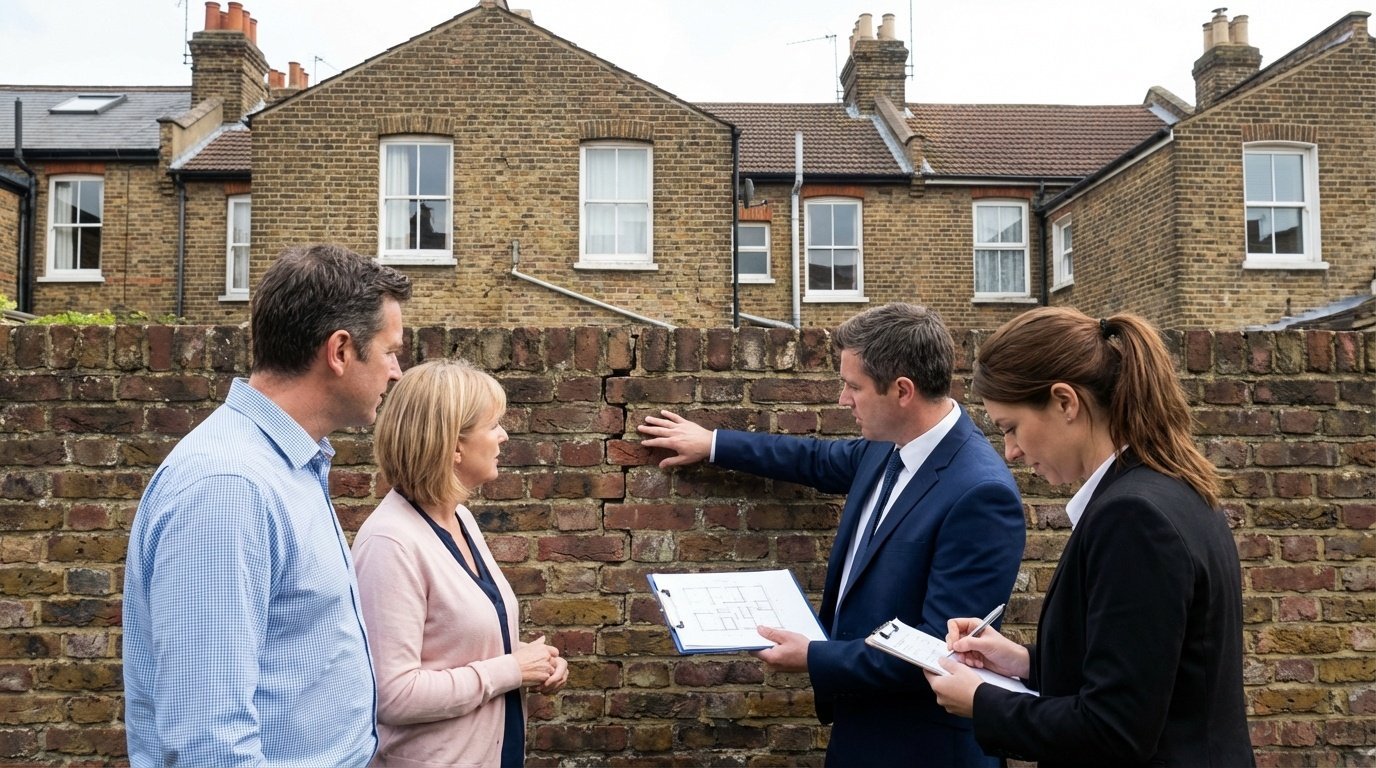
The Party Wall Act 1996 is crucial legislation that affects thousands of property owners across England and Wales every year. Whether you're planning a loft conversion, basement excavation, or simply want to repair a shared wall with your neighbour, understanding this Act is essential. This comprehensive guide from our experienced party wall surveyors explains everything you need to know.
What is the Party Wall Act 1996?
The Party Wall etc. Act 1996 is legislation designed to prevent and resolve disputes between neighbours when building works affect party walls, boundary walls, or involve excavations near neighbouring properties. The Act provides a framework that balances the rights of building owners to carry out works with the rights of adjoining owners to protect their properties from damage.
Despite its name referring to "party walls," the Act actually covers three distinct types of work:
- Work directly to an existing party wall or party structure
- Building a new wall on or at the boundary line with a neighbour
- Excavating within three or six metres of a neighbouring property
When Does the Party Wall Act Apply?
Understanding when you need to comply with the Party Wall Act is crucial for anyone planning building works in Central London or West End London. Our party wall surveyors regularly advise on these scenarios:
Work on Existing Party Walls
You must serve notice if you're planning:
- Cutting into a party wall to install beams or damp-proof courses
- Making the wall taller, deeper, or thicker
- Demolishing and rebuilding a party wall
- Underpinning a party wall
- Protecting walls during demolition works
- Weatherproofing an external party wall
Building on Boundary Lines
The Act requires notice when:
- Building a new wall on the boundary line (party fence wall)
- The new structure will be entirely on your land but right against the boundary
- Installing a damp-proof course crossing the boundary
Excavation Near Neighbouring Buildings
Notice is required for excavations within:
- Three metres of a neighbouring building if your excavation will go deeper than their foundations
- Six metres of a neighbouring building if your excavation will go deeper than a line drawn at 45 degrees downwards from the bottom of their foundations
This is particularly relevant in West End London where basement excavations are common due to limited building space.
The Party Wall Notice Process
The Party Wall Act sets out a specific procedure that building owners must follow. Our experienced team guide clients through each stage:
Step 1: Serve Notice
The building owner must serve written notice on all adjoining owners. The type and timing of notice depends on the work:
- Party Structure Notice: For work to existing party walls - must be served at least two months before work starts
- Party Wall Notice: For new walls on the boundary - at least one month's notice required
- Notice of Adjacent Excavation: For excavations near neighbouring buildings - at least one month before starting
Step 2: Neighbour's Response
After receiving notice, adjoining owners have 14 days to respond. They can:
- Consent: Agree to the works in writing
- Dissent: Formally disagree or simply not respond
- Request modifications: Ask for changes to how the work will be carried out
Step 3: Appointing Surveyors
If the adjoining owner dissents or doesn't respond, the dispute resolution process begins:
- Each party can appoint their own surveyor (two surveyors)
- Both parties can agree to use a single "Agreed Surveyor"
- If an adjoining owner doesn't appoint a surveyor within 10 days, the building owner can appoint one on their behalf
Step 4: Party Wall Award
The surveyor(s) will:
- Inspect both properties and prepare schedules of condition
- Agree on a Party Wall Award - a legal document setting out what work can be done and how
- Specify working hours and other conditions
- Determine who pays for what
Step 5: Works Proceed
Once the Award is in place:
- Building works can commence in accordance with the Award
- Surveyors may inspect during construction
- Any damage must be put right at the building owner's expense
Common Scenarios in West End London
With deep knowledge of West End London property, our party wall surveyors regularly handle these situations:
Loft Conversions
Loft conversions often require party wall notices because you typically need to:
- Insert steel beams into party walls
- Raise the height of party walls
- Install dormer windows affecting party walls
Basement Excavations
Basement projects almost always trigger Party Wall Act requirements due to:
- Excavation within three or six metres of adjoining properties
- Underpinning party walls
- Potential impact on neighbouring foundations
In densely built areas like Kensington, Chelsea, and Marylebone, basement excavations require particularly careful party wall management.
Extensions
Side and rear extensions may need party wall notices for:
- Building on or near boundary lines
- Connecting to or exposing party walls
- Foundation work near neighbours
Chimney Breast Removal
Removing chimney breasts from party walls is covered by the Act because you're:
- Cutting into a party wall
- Potentially affecting structural support
- Impacting the adjoining owner's side of the wall
Rights and Responsibilities
Building Owner's Rights
As the building owner, you have the right to:
- Carry out necessary works to your property
- Enter the adjoining property (with notice) to carry out works
- Expect the process to proceed within reasonable timeframes
Building Owner's Responsibilities
You must:
- Serve proper notice in good time
- Pay for all party wall surveyor fees (both yours and your neighbour's)
- Carry out works in accordance with the Award
- Make good any damage caused
- Maintain appropriate insurance
Adjoining Owner's Rights
As an adjoining owner, you have the right to:
- Receive proper notice of intended works
- Appoint your own surveyor at the building owner's expense
- Have your property protected from damage
- Receive compensation if damage occurs
- Request schedules of condition before works start
Adjoining Owner's Responsibilities
You should:
- Respond to notices within 14 days
- Act reasonably and not obstruct legitimate works
- Allow reasonable access for inspections
- Cooperate with the surveyor appointment process
Costs and Fees
Understanding party wall costs is important for budgeting your project:
Who Pays?
The building owner (the person doing the work) typically pays for:
- Their own surveyor's fees
- The adjoining owner's surveyor's fees
- Any agreed surveyor's fees
- All costs associated with the Party Wall Award
- Making good any damage
Typical Costs in West End London
Party wall surveyor fees vary depending on complexity:
- Simple cases: £700-£1,200 per surveyor (straightforward works, no disputes)
- Standard cases: £1,200-£2,500 per surveyor (typical loft conversions, extensions)
- Complex cases: £2,500-£5,000+ per surveyor (basement excavations, multiple neighbours, disputes)
For major projects affecting multiple properties in Central London, total party wall costs can exceed £15,000-£20,000.
Common Mistakes to Avoid
Our experienced party wall surveyors see these errors regularly:
1. Not Serving Notice
Starting work without serving proper notice is illegal and can result in:
- Injunctions stopping your work
- Legal action from neighbours
- Costly delays to your project
- Having to undo completed work
2. Inadequate Notice Period
Serving notice too late causes delays. Remember you need at least one or two months depending on the work type.
3. Poor Communication
Not talking to your neighbours before serving formal notice often leads to disputes that could be avoided with clear communication.
4. Using Unqualified Advisors
The Party Wall Act requires surveyors, not just builders or architects. Using experienced RICS surveyors ensures proper compliance.
5. Ignoring the Award
Once an Award is agreed, you must follow it. Deviating from the Award's terms can lead to legal problems.
Resolving Disputes
Sometimes disagreements arise even with the Party Wall Act framework. Here's how they're resolved:
Surveyor Negotiations
Most disputes are resolved through professional surveyors negotiating reasonable compromises that protect both parties' interests.
Third Surveyor
If two surveyors can't agree, they can refer specific matters to a previously agreed "Third Surveyor" who makes binding decisions.
Appeals
Either party can appeal an Award to the County Court within 14 days of its service, though this is rare and expensive.
Practical Tips from Experienced Surveyors
For Building Owners
- Plan ahead: Factor in 2-3 months for the party wall process before starting work
- Budget appropriately: Include party wall costs in your project budget
- Communicate early: Informal discussions with neighbours before formal notices help
- Choose experienced surveyors: Select RICS professionals with local knowledge
- Document everything: Keep records of all notices, responses, and communications
For Adjoining Owners
- Don't ignore notices: Respond within 14 days to protect your interests
- Appoint your own surveyor: Don't rely on the building owner's surveyor alone
- Understand it's not optional: You can't stop legitimate works, only ensure they're done properly
- Document existing condition: Take photos of your property before works start
- Maintain good relations: You'll be neighbours after the works finish
Special Considerations for Period Properties
Georgian and Victorian period properties across West End London require extra care with party wall matters:
Structural Vulnerabilities
Older buildings may have:
- Shallow foundations susceptible to nearby excavations
- Lime mortar that requires careful handling
- Structural peculiarities from historical alterations
Listed Buildings
Party wall works on listed buildings may require:
- Listed building consent in addition to party wall notices
- Specialist conservation techniques
- More extensive monitoring during works
Conservation Areas
Properties in conservation areas throughout Central London need consideration of:
- Permitted development restrictions
- Planning requirements alongside Party Wall Act compliance
- Heritage protection requirements
The Role of Party Wall Surveyors
Professional party wall surveyors provide essential services:
For Building Owners
- Advising on whether works require party wall notices
- Preparing and serving proper notices
- Negotiating Awards with adjoining owners' surveyors
- Overseeing works to ensure Award compliance
- Resolving disputes professionally
For Adjoining Owners
- Protecting your property interests
- Ensuring thorough schedules of condition
- Negotiating reasonable working hours and conditions
- Monitoring works for potential damage
- Securing compensation if damage occurs
Conclusion
The Party Wall Act 1996 provides crucial protection for both building owners and their neighbours. While the process may seem complex, it's designed to facilitate building works while protecting property rights.
With deep knowledge of West End London property and extensive experience with Georgian and Victorian period properties, our party wall surveyors provide clear communication and expert guidance throughout the process. Whether you're planning a basement excavation in Kensington, a loft conversion in Marylebone, or any building works affecting party walls across Central London, professional party wall services ensure compliance and maintain good neighbour relations.
The key is starting early, communicating clearly, and working with experienced RICS professionals who understand both the legislation and the unique characteristics of London properties.
Need Party Wall Advice?
Our experienced party wall surveyors provide comprehensive Party Wall Act services throughout West End London. Contact us for expert guidance on your building project.
Get Expert Advice