Listed Building Purchase Guide: Heritage Property Ownership in West End London
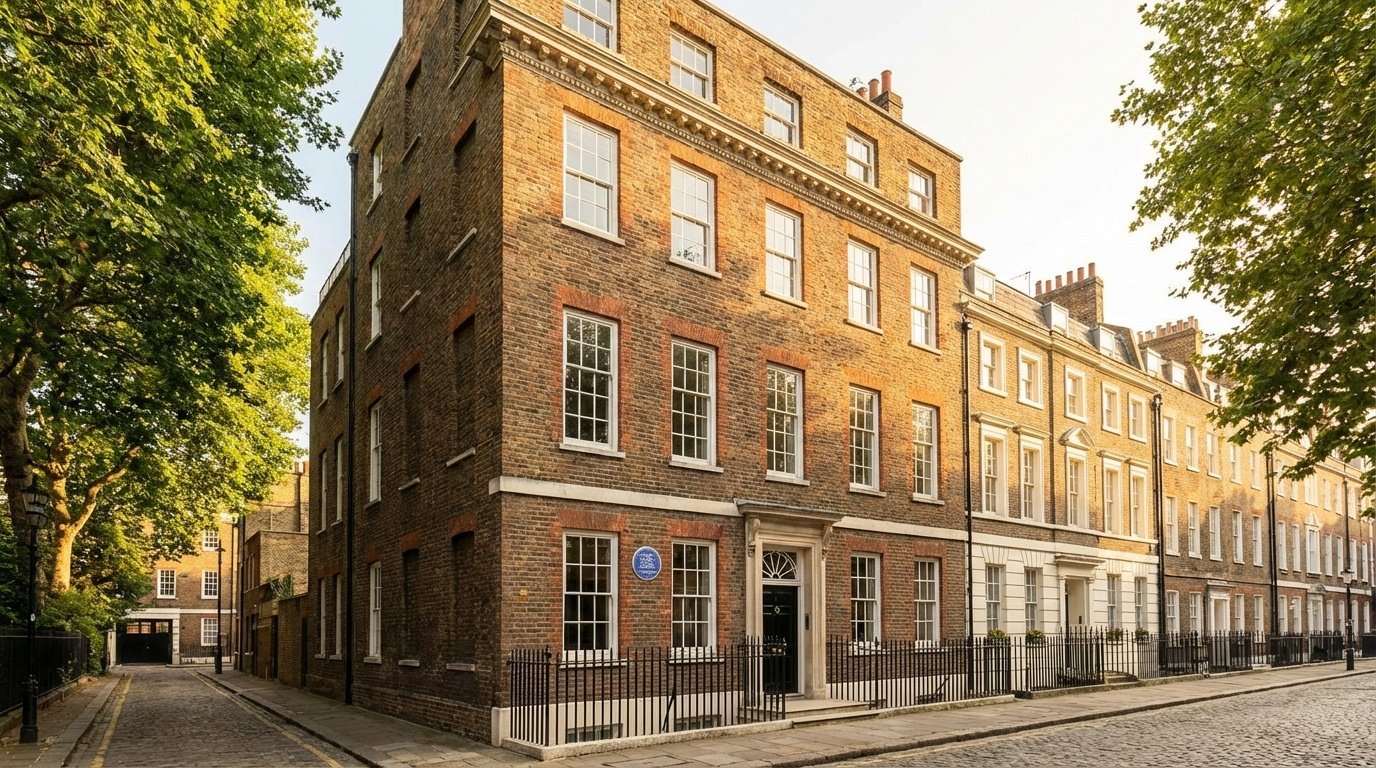
Introduction: The Privilege and Responsibility of Listed Building Ownership
West End London contains some of Britain's finest historic architecture, with thousands of listed buildings representing Georgian elegance, Victorian grandeur, and architectural innovation spanning centuries. Owning a listed building offers the privilege of custodianship over irreplaceable heritage—but brings significant responsibilities and restrictions that fundamentally differ from conventional property ownership.
As RICS surveyors specializing in historic buildings across Mayfair, Bloomsbury, and Westminster, we've assessed hundreds of listed properties and guided owners through the complexities of heritage property management. This comprehensive guide explains everything prospective buyers need to know about purchasing and owning listed buildings in West End London.
Understanding Listed Building Grades
Grade I (2.5% of listed buildings)
Buildings of exceptional interest and national importance. Examples include major palaces, premier townhouses, and architecturally significant structures.
- Highest level of protection
- Any alterations face intense scrutiny
- Eligible for English Heritage grants
- Often attract media and public interest
Grade II* (5.8% of listed buildings)
Particularly important buildings of more than special interest. Significant Georgian townhouses, important Victorian buildings, notable architectural works.
- Very high protection level
- Substantial restrictions on alterations
- May qualify for heritage funding
Grade II (91.7% of listed buildings)
Buildings of special interest warranting preservation. Most residential listed buildings fall into this category.
- Protected from demolition and unsympathetic alteration
- Alterations possible with Listed Building Consent
- Most accessible category for private ownership
Listed Building Consent Requirements
Any work affecting a listed building's character requires Listed Building Consent—separate from and additional to planning permission and Building Regulations.
Works Requiring Consent:
- External alterations: Windows, doors, roof works, repainting (if previously unpainted), garden structures
- Internal changes: Removing or altering walls, changing room layouts, removing historic features
- Structural works: Any alterations affecting building structure
- Service installations: New bathrooms, kitchens, heating systems where affecting historic fabric
- Even repairs: Using inappropriate materials or methods may require consent
Application Process:
- Pre-application advice: Strongly recommended—free service from conservation officers (6-8 weeks)
- Formal application: Detailed drawings, historic building statement, methodology statements
- Consultation: Statutory consultees including Historic England (Grade I/II*), local conservation society
- Decision timeline: 8 weeks for minor works, 13 weeks for major alterations
- Appeals: Refusals appealable to Planning Inspectorate (6-12 months additional)
Enforcement:
Unauthorized works on listed buildings constitute criminal offenses:
- Unlimited fines and up to 2 years imprisonment
- Enforcement notices requiring reversal of works
- Repair notices compelling proper maintenance
- Local authorities can execute works in default and recover costs
Conservation Principles for Listed Buildings
Minimum Intervention
Repair rather than replace wherever possible. Original fabric, even if deteriorated, holds historic value and should be conserved using traditional techniques.
Reversibility
Alterations should be reversible, allowing future generations to restore original configurations without causing further harm.
Honest Repairs
New work should be distinguishable from historic fabric while remaining sympathetic. Avoid creating "fake history" through pastiche additions.
Traditional Materials and Methods
Use lime mortars, breathable paints, traditional joinery techniques. Modern materials often inappropriate and harmful.
Understanding Historic Development
Different periods of a building's history hold significance. Later additions may themselves have heritage value.
The Listed Building Survey
Surveying listed buildings requires specialist expertise beyond standard RICS Level 3 Building Surveys.
Our Listed Building Surveys Include:
- Historic research: Understanding building evolution and architectural significance
- Period feature assessment: Identifying original elements, later additions, and sympathetic vs. harmful alterations
- Traditional construction analysis: Understanding historic building techniques and appropriate repair methodologies
- Defect assessment: Identifying issues while distinguishing character from defects requiring intervention
- Consent implications: Advising on Listed Building Consent requirements for necessary works
- Specialist contractor identification: Recommending conservation specialists, heritage craftspeople
- Maintenance planning: Long-term conservation strategies respecting historic fabric
- Grant funding opportunities: Identifying eligible heritage grants
Common Listed Building Issues
Inappropriate Past Alterations
Many listed buildings suffer from insensitive 20th-century modifications:
- UPVC windows replacing original sash windows (often installed without consent)
- Cement renders and modern paints trapping moisture
- Removed or blocked fireplaces
- Inappropriate extensions or additions
- Damaging internal layouts (removed walls, lowered ceilings)
Rectification: Restoring sympathetic character often required for consent approval on future works. Costs: £20,000-£100,000+ depending on extent
Deferred Maintenance
Historic buildings require consistent, specialist maintenance:
- Roof structures: Original slate roofs, lead works, timber structures—replacement £150-£250/m²
- Original windows: Sash window restoration £800-£2,000 per window
- Lime plaster: Repair using traditional methods £80-£150/m²
- Decorative features: Cornice restoration, ceiling rose repair—specialist conservation costs
Building Services Integration
Retrofitting modern services without damaging historic fabric presents challenges:
- Heating systems must avoid damaging original features
- Electrical rewiring through solid walls requires sensitive routing
- Bathroom/kitchen installations need careful integration
- Insulation improvements must use breathable systems
Energy Efficiency in Listed Buildings
EPC Exemptions
Listed buildings can claim Energy Performance Certificate exemptions where improvements would unacceptably alter character—useful for rental requirements.
Sympathetic Efficiency Improvements:
- Secondary glazing: Interior glazing preserving historic windows while improving performance £800-£1,500/window
- Draught-proofing: Professional systems for sash windows £80-£150/window
- Roof insulation: Breathable materials in roof spaces £30-£60/m²
- Internal wall insulation: Breathable insulation systems £80-£150/m²
- Upgraded heating: Efficient boilers with sensitive radiator placement
What to Avoid:
- External wall insulation (almost never acceptable)
- UPVC double glazing (consent rarely granted)
- Solar panels on visible roof slopes
- Modern render systems over historic walls
Financial Considerations
Purchase Premiums
Listed buildings often command premiums for architectural quality and prestige, though severely restricted properties may discount. Expect 10-30% premium for well-maintained Grade II properties in prime locations.
Maintenance Costs
Listed building maintenance costs significantly exceed modern properties:
- Specialist conservation contractors charge premium rates
- Traditional materials (lime mortar, natural slates, hand-made bricks) cost more
- Works take longer due to sympathetic methods
- Listed Building Consent applications add time and cost
Budget: 1.5-2.5% of property value annually for maintenance vs. 0.5-1% for modern properties
Insurance
Specialist listed building insurance essential:
- Higher rebuilding costs (traditional materials and methods)
- Specialist contractors required for repairs
- Extended reinstatement periods
- Premiums typically 20-50% higher than standard buildings insurance
Grant Funding
Listed building ownership offers access to heritage grants:
- Historic England: Grants for urgent repairs (Grade I/II*) £10,000-£500,000+
- Heritage Lottery Fund: Major restoration projects £10,000+
- Local authority grants: Conservation area enhancement schemes
- VAT concessions: 0% VAT on approved alterations to listed buildings (significant saving)
- Charitable trusts: Various heritage organizations offer project-specific funding
Finding Specialist Contractors
Listed building works require conservation-accredited specialists:
Essential Specialists:
- Conservation architects: AABC accredited (Architect Accredited in Building Conservation)
- Structural engineers: IStructE conservation experience
- Lime plasterers: Guild of Master Craftsmen, SPAB members
- Traditional joiners: Window restoration specialists
- Heritage roofing contractors: Slate and lead specialists
- Decorative plasterwork restorers: Cornice and ceiling specialists
Finding Contractors:
- Historic England conservation register
- SPAB (Society for Protection of Ancient Buildings) directory
- Local conservation officer recommendations
- RICS surveyors with heritage expertise
Living in a Listed Building
Lifestyle Implications:
- Consent requirements: Plan alterations 6-12 months in advance for application process
- Limited flexibility: Some desired modern conveniences may be incompatible with listing
- Ongoing maintenance: Regular specialist care required
- Lower energy efficiency: Historic buildings typically less thermally efficient than modern properties
- Character acceptance: Some quirks (uneven floors, low doors, timber frame movement) are character, not defects
Benefits:
- Architectural quality and craftsmanship unmatched by modern construction
- Historic significance and heritage connection
- Protected from demolition or unsympathetic development
- Prestige and cultural capital
- Strong long-term investment value
- Access to specialist expertise and heritage networks
Working with West End Surveyors
Our listed building services include:
- Comprehensive heritage property surveys by RICS surveyors
- Condition assessments respecting historic significance
- Conservation advice and appropriate repair methodologies
- Listed Building Consent guidance and application support
- Specialist contractor recommendations
- Project management for restoration works
- Grant funding application support
- Ongoing conservation planning
We've worked with hundreds of listed properties across West End London's conservation areas, combining technical expertise with deep appreciation for historic architecture.
Conclusion: Embracing Heritage Custodianship
Listed building ownership offers unique rewards—the privilege of conserving irreplaceable heritage while enjoying extraordinary architectural quality. Success requires understanding the responsibilities, respecting conservation principles, working with specialist professionals, and embracing the distinctive character of historic buildings.
West End Surveyors provides the expert guidance listed building owners need to navigate conservation requirements, maintain historic fabric sympathetically, and enjoy successful heritage property ownership.