Essential Survey Advice for First-Time Property Buyers
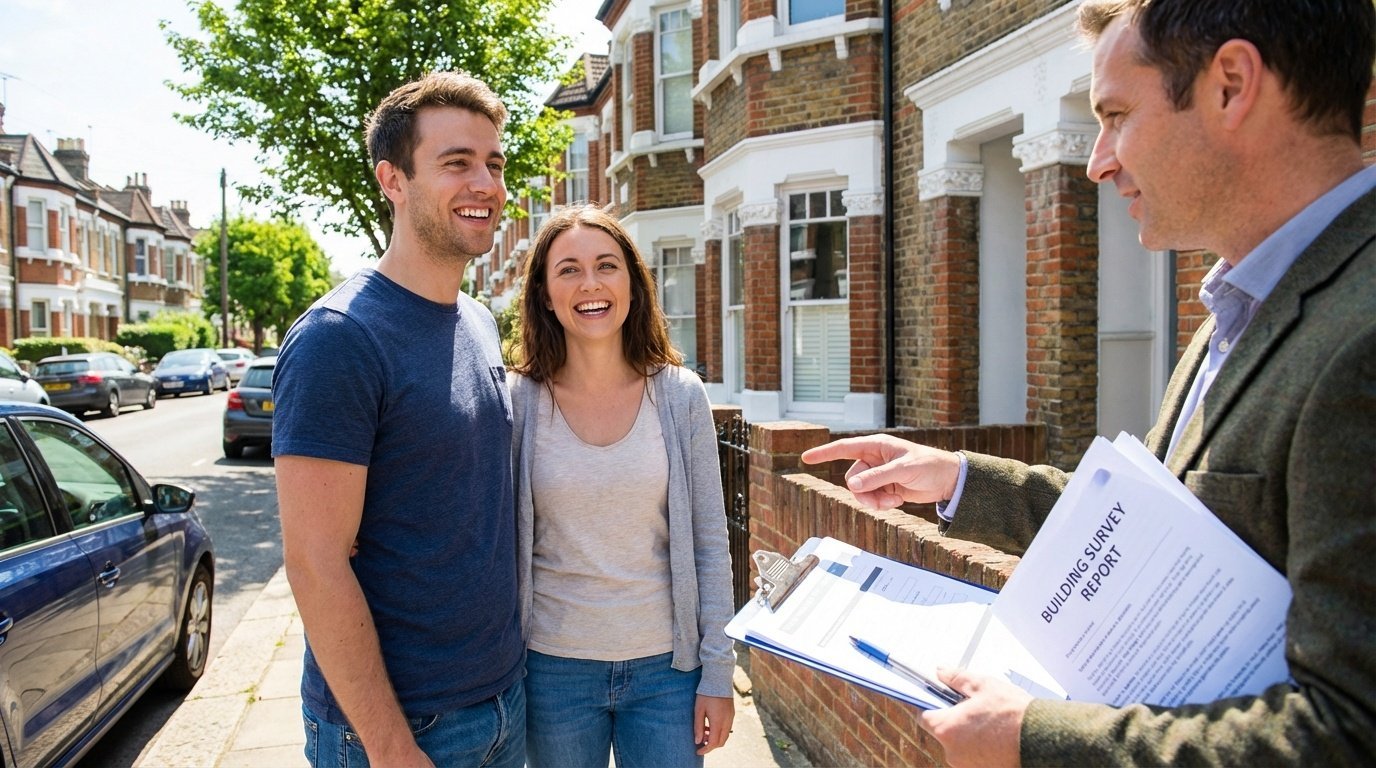
Buying your first property is exciting but can feel overwhelming. One of the most important decisions you'll make is whether to commission a property survey and which type to choose. This comprehensive guide from our experienced surveyors explains everything first-time buyers need to know about property surveys.
Why You Need a Property Survey
Your mortgage valuation is not a survey. Lenders arrange valuations to protect their investment, not yours. A mortgage valuation typically involves a brief external inspection and confirms the property is worth the amount you're borrowing. It won't identify defects or problems with the property.
A proper property survey protects you by:
- Identifying defects before you commit to purchase
- Providing leverage for price negotiations
- Highlighting urgent repairs needed
- Helping you budget for future maintenance
- Giving you peace of mind about your investment
- Potentially saving you thousands in unforeseen repairs
Types of Property Surveys
There are three main types of RICS surveys available. Choosing the right one depends on the property age, condition, and your requirements:
RICS Level 1: Condition Report
Best for: New-build or recently built properties in good condition
This is the most basic survey, providing:
- A straightforward assessment of property condition
- Traffic light rating system (green/amber/red)
- Identification of urgent defects
- No advice on repairs or ongoing maintenance
Cost: Typically £300-£500
Our advice: Only suitable for modern properties built within the last 10 years in good condition. Most first-time buyers in Central London should choose a more comprehensive survey.
RICS Level 2: HomeBuyer Report
Best for: Conventional properties built after 1900 in reasonable condition
This mid-level survey includes:
- Visual inspection of accessible areas
- Traffic light condition ratings
- Identification of problems needing attention
- Advice on defects and necessary repairs
- General maintenance guidance
- Optional market valuation
Cost: Typically £500-£800 depending on property value and size
Our advice: Good choice for standard Victorian and Edwardian properties in reasonable condition. However, many properties in areas like Kensington and Chelsea benefit from the more detailed Level 3 survey.
RICS Level 3: Building Survey
Best for: Properties built before 1900, unusual construction, poor condition, or planned renovations
This comprehensive survey provides:
- Detailed inspection of all accessible areas
- Thorough analysis of construction and condition
- Comprehensive defect identification
- Detailed advice on repairs and timescales
- Guidance on maintenance priorities
- Approximate repair costs
- Technical information for renovation planning
Cost: Typically £800-£2,000+ depending on property size and complexity
Our advice: Strongly recommended for Georgian and Victorian properties throughout West End London, listed buildings, properties you plan to renovate, or any building with obvious defects.
Choosing the Right Survey Level
Consider these factors when deciding which survey to commission:
Property Age
- Pre-1900: Level 3 survey recommended
- 1900-1960: Level 2 or 3 depending on condition
- 1960-2000: Level 2 usually sufficient
- Post-2000: Level 1 or 2 depending on condition
Property Type
- Georgian/Victorian terraces: Level 3 survey
- Period conversions: Level 3 survey
- Listed buildings: Level 3 survey essential
- Modern apartments: Level 1 or 2
- Purpose-built flats: Level 2
Visible Condition
- Obvious defects visible: Level 3 survey
- Signs of damp or structural movement: Level 3 survey
- Appears well-maintained: Level 2 may suffice
- Recently renovated: Still recommend Level 2 minimum
Your Plans
- Planning renovations: Level 3 survey essential
- Move in ready: Level 2 usually adequate
- Structural alterations planned: Level 3 survey
- Basement conversion considered: Level 3 survey
Choosing a Surveyor
Selecting the right surveyor is as important as choosing the right survey level. Here's what to look for:
Essential Qualifications
- RICS qualified: Look for MRICS or FRICS after their name
- Professional indemnity insurance: Typically £1-2 million minimum
- Regulated by RICS: Subject to professional standards and complaints procedures
Experience Matters
- Local knowledge: Surveyors familiar with West End London understand local construction types
- Period property experience: Essential for Georgian and Victorian buildings
- Years in practice: Look for established professionals with proven track records
- Specialist knowledge: Some surveyors specialize in specific property types or areas
Red Flags to Avoid
- Surveyors not RICS qualified
- Unusually cheap quotes (you get what you pay for)
- Refusal to provide sample reports
- No professional indemnity insurance
- Pushy sales tactics or guaranteed findings
The Survey Process
Understanding what happens during a survey helps manage expectations:
Before the Inspection
- Instruction: You instruct the surveyor with property details
- Quotation: Surveyor provides transparent quote
- Scheduling: Inspection arranged (you don't need to attend)
- Access: Estate agent arranges property access
During the Inspection
The surveyor will:
- Spend 2-4 hours at the property (longer for Level 3 surveys)
- Inspect all accessible areas inside and outside
- Use specialist equipment (moisture meters, binoculars, etc.)
- Take photographs of key features and defects
- Make detailed notes and measurements
- Inspect roof spaces, floor voids where accessible
After the Inspection
- Report preparation: Typically takes 5-7 working days
- Report delivery: Usually sent electronically
- Review period: Time to read and understand findings
- Follow-up discussion: Most surveyors offer phone calls to discuss findings
Understanding Your Survey Report
Survey reports can seem daunting. Here's how to interpret them:
Traffic Light System
RICS surveys use a condition rating system:
- Condition 1 (Green): No repair currently needed. Normal maintenance required.
- Condition 2 (Amber): Repairs or replacement needed but not urgent. Plan for these works.
- Condition 3 (Red): Urgent repairs or replacement required. Serious defects needing immediate attention.
Key Sections to Focus On
- Executive Summary: Overview of main concerns
- Urgent Matters: Issues requiring immediate action
- Significant Matters: Important defects affecting value or safety
- Recommendations: Further investigations or specialist reports needed
- Estimated Costs: Approximate repair expenses (if provided)
Common Findings (What's Normal)
Don't panic if your report mentions:
- Minor cracks: Most properties have some cosmetic cracking
- Gutters needing cleaning: Common maintenance issue
- Minor roof repairs: A few loose tiles is typical
- Repointing needed: Normal for older properties
- Decorative repairs: Usually factored into property pricing
Serious Concerns (What to Worry About)
Take immediate action if report highlights:
- Structural movement: Progressive cracking or subsidence
- Serious damp problems: Widespread dampness or rot
- Roof failures: Major leaks or structural issues
- Electrical hazards: Dangerous wiring
- Asbestos presence: Particularly if damaged
- Major defects with £20,000+ repair costs
What to Do After Receiving Your Report
If Serious Problems are Identified
- Discuss with your surveyor: Understand severity and implications
- Get specialist reports: Structural engineers, damp specialists, etc.
- Obtain repair quotes: Get accurate costs from qualified tradespeople
- Renegotiate price: Request reduction to cover repair costs
- Consider walking away: Sometimes the sensible option
If Minor Issues Found
- Prioritize repairs: Determine what needs doing when
- Budget accordingly: Factor costs into your home-buying budget
- Plan maintenance: Create schedule for ongoing care
- Negotiate if appropriate: Request small price reduction for immediate fixes
Using Survey Findings for Negotiation
Survey results can strengthen your negotiating position:
- Quantify costs: Get quotes for major repairs
- Be reasonable: Don't expect reduction for every minor defect
- Focus on major issues: Structural problems, major systems failures
- Consider market conditions: Your leverage varies with market strength
- Alternative to price reduction: Ask seller to complete repairs before completion
Common First-Time Buyer Questions
Do I Really Need a Survey?
Yes, absolutely. The mortgage valuation doesn't protect you. A survey is your only opportunity to understand the property's condition before legal commitment. The cost is minimal compared to potential issues discovered later.
Can I Attend the Survey Inspection?
While not necessary, most surveyors welcome buyers attending. It's an opportunity to ask questions and see concerns firsthand. However, don't distract the surveyor during their inspection.
How Long Does a Survey Take?
Level 1 surveys typically take 1-2 hours, Level 2 surveys 2-3 hours, and Level 3 surveys 3-6 hours depending on property size and complexity.
When Should I Arrange the Survey?
Book your survey as soon as your offer is accepted. This ensures you have findings before making significant commitments. Surveys typically take 7-10 days from booking to report delivery.
What If the Survey Finds Major Problems?
You have several options: renegotiate the price, request seller completes repairs, obtain specialist reports for peace of mind, or withdraw from the purchase if issues are too serious.
Are Surveys Worth the Cost?
Absolutely. Survey costs of £500-£1,500 are insignificant compared to property purchase prices. Identifying even one major defect can save you tens of thousands of pounds and provides invaluable peace of mind.
Special Considerations for London Properties
Leasehold Properties
Many London properties are leasehold. Your survey should address:
- Lease length (problematic if under 80 years)
- Building external condition (your responsibility varies)
- Service charge reasonableness
- Major works planned
Conservation Areas
Properties in conservation areas across West End London have additional considerations:
- Restrictions on alterations
- Planning permission requirements
- Higher maintenance costs for approved materials
- Listed building constraints
Period Properties
Georgian and Victorian properties require specialist knowledge:
- Traditional construction methods
- Period-appropriate repair techniques
- Common defects in old buildings
- Conservation requirements
Additional Investigations You Might Need
Sometimes surveys recommend specialist investigations:
Structural Engineer Reports
When needed: Significant cracking, movement, or structural concerns
Cost: £500-£1,500
What it provides: Detailed structural analysis and repair specifications
Damp and Timber Reports
When needed: Suspected rising damp, wet rot, dry rot, or woodworm
Cost: Often free (but be wary of sales-driven reports)
What it provides: Identification of damp causes and treatment recommendations
Drainage Surveys
When needed: Suspected drainage problems or old drainage systems
Cost: £200-£500 for CCTV survey
What it provides: Video inspection of underground drainage
Asbestos Surveys
When needed: Properties built before 2000, especially 1950-1985
Cost: £200-£400
What it provides: Identification of asbestos-containing materials
Electrical Inspections
When needed: Old wiring or visible electrical concerns
Cost: £200-£400
What it provides: Electrical safety certification
Final Tips for First-Time Buyers
- Budget for surveys: Factor £800-£1,500 into purchase costs
- Don't skip surveys to save money: False economy risking thousands later
- Choose qualified surveyors: Only use RICS professionals
- Read reports thoroughly: Don't just skim the summary
- Ask questions: Surveyors expect follow-up calls
- Act on findings: Use results to inform decisions
- Keep reports safe: Valuable reference for future maintenance
- Consider Level 3 for older properties: Extra detail worth the cost
Conclusion
A proper property survey is one of the most important investments you'll make when buying your first home. While it adds to upfront costs, it provides essential protection against expensive surprises and gives you confidence in your purchase.
For properties across West End London, particularly Georgian and Victorian period properties in areas like Kensington, Chelsea, and Marylebone, we strongly recommend RICS Level 3 building surveys conducted by experienced surveyors with local knowledge.
Our team of RICS professionals have extensive experience surveying properties throughout Central London. We provide detailed reports with clear communication, helping first-time buyers make informed decisions about their property purchases.
Ready to Commission Your Survey?
Contact our experienced team for expert property surveys across West End London. We guide first-time buyers through the process with clear, jargon-free advice.
Get Your Survey Quote