Development in Conservation Areas: Planning & Restrictions Guide
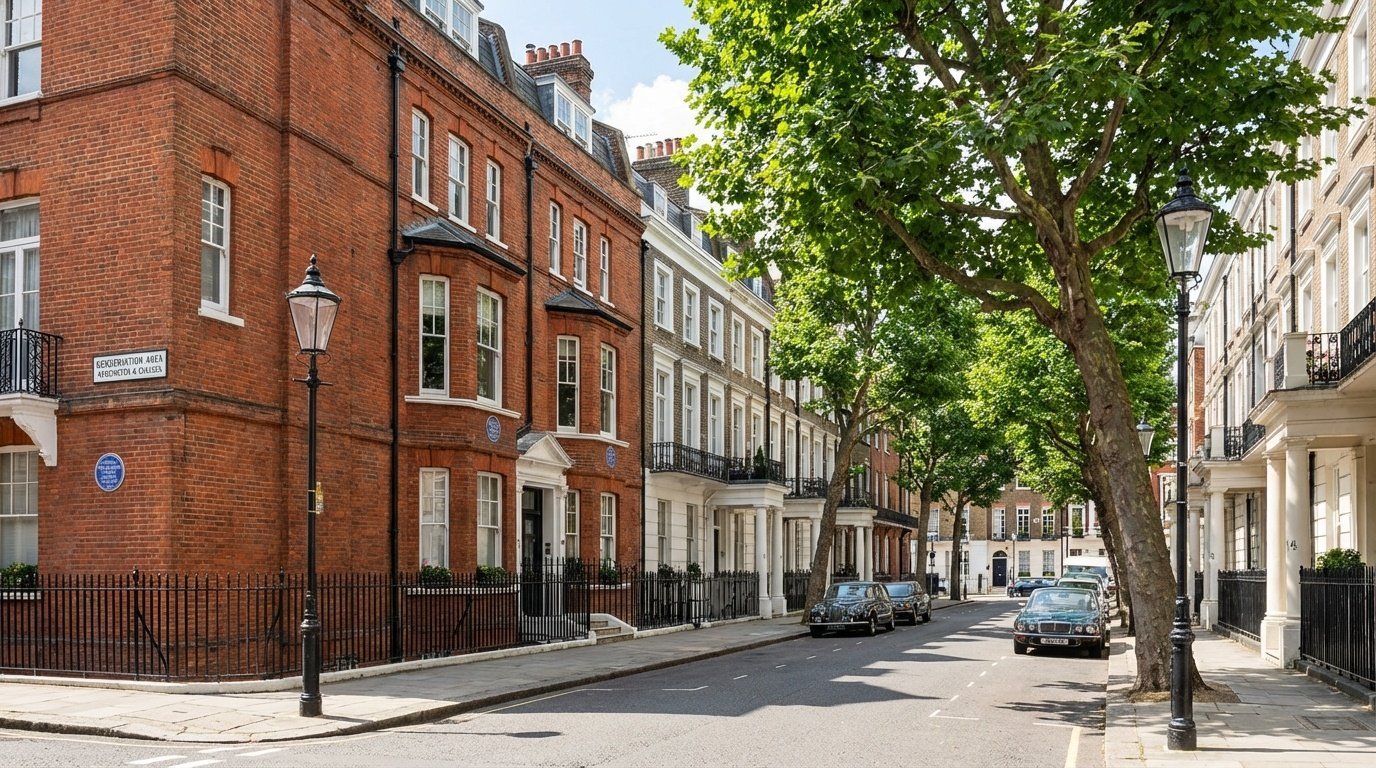
Introduction: Protecting West End's Heritage
West End London contains some of Britain's most important conservation areas, protecting historic streetscapes, architecture, and neighborhood character. Over 75% of Westminster, Kensington & Chelsea, and Camden consists of designated conservation areas—meaning most property development requires careful navigation of heritage planning controls. As RICS surveyors advising on hundreds of conservation area projects annually, we provide the expert guidance this comprehensive guide shares.
What Are Conservation Areas?
Conservation areas are designated under the Planning (Listed Buildings and Conservation Areas) Act 1990 as "areas of special architectural or historic interest, the character or appearance of which it is desirable to preserve or enhance."
West End Conservation Areas Include:
- Mayfair: Grand Georgian/Victorian squares and streets
- Bloomsbury: Georgian squares and terraces
- Marylebone: Georgian development and Victorian mansion blocks
- Belgravia: Regency/Victorian terraces
- Chelsea: Riverside historic development
- Kensington: Victorian streets and garden squares
Purpose:
- Preserve historic building fabric and character
- Maintain traditional streetscape appearance
- Control inappropriate development
- Protect trees and green spaces
- Preserve area identity and heritage value
Planning Restrictions in Conservation Areas
Removed Permitted Development Rights
Works that wouldn't require planning permission elsewhere need consent in conservation areas:
External Changes Requiring Permission:
- Replacement windows (materials, design, opening method)
- Roof alterations (dormers, rooflights, materials)
- External cladding or rendering
- Satellite dishes on front or prominent elevations
- Front boundary walls, fences, gates over 1m high
- Solar panels on front roofs or prominent positions
Article 4 Directions
Many West End conservation areas have additional Article 4 Directions removing further permitted development rights:
Commonly Controlled Works:
- Window replacement: Even like-for-like replacement requires consent
- External painting: Changing previously painted surfaces
- Roof materials: Replacing tiles, slates, lead
- Front doors: Replacement or alteration
- Demolition: Outbuildings, walls, gates
- Hard surfaces: Front garden paving
Tree Protection
All trees in conservation areas with trunks over 75mm diameter (at 1.5m height) are protected:
- Six weeks' notice required before tree works
- Local Authority can impose Tree Preservation Order during notice period
- Penalties up to £20,000 for unauthorized tree works
Demolition Control
Demolition of unlisted buildings in conservation areas requires Conservation Area Consent.
Types of Planning Applications
Householder Planning Application
For residential alterations and extensions.
Typical works: Extensions, loft conversions, windows, external alterations
Cost: £206 application fee | Professional fees £1,500-£5,000+
Time: 8 weeks decision period (often extended)
Listed Building Consent
Required for any works affecting a listed building's character (internal or external).
Scope: Alterations, extensions, repairs affecting historic fabric
Cost: No application fee | Professional fees £2,000-£10,000+
Time: 8 weeks (Grade I/II* may require Historic England consultation)
Full Planning Permission
For major alterations, new buildings, or change of use.
Requirements: Detailed drawings, heritage statement, often design & access statement
Cost: Varies by proposal scale | £462+ application fee
Certificates of Lawfulness
Confirms proposed works don't require planning permission.
Use: Clarifying whether permission needed before proceeding
Cost: £206 (half the householder application fee)
The Application Process
Step 1: Pre-Application Consultation
Highly recommended for conservation area applications:
- Discuss proposals with conservation officers
- Understand likely objections and required changes
- Identify key heritage considerations
- Refine proposals before formal application
Cost: £100-£500 depending on local authority and complexity
Step 2: Prepare Application
Required documents typically include:
- Plans and drawings: Existing and proposed (by architect)
- Heritage Statement: Assessing impact on conservation area character
- Design & Access Statement: Explaining design rationale
- Photographs: Existing property and context
- Structural reports: If structural changes proposed
Step 3: Submit Application
Via local authority planning portal with appropriate fees.
Step 4: Consultation Period
21 days for public consultation:
- Neighbors notified
- Site notice displayed or press notice published
- Conservation groups may comment
- Objections can be raised
Step 5: Decision
Planning officer or committee decides application:
- Approved: With or without conditions
- Refused: With reasons stated
- Appeal: Available if refused (6 months to appeal)
Key Considerations for Success
Character Preservation
Proposals must preserve or enhance conservation area character:
- Respect scale, materials, and design of surrounding buildings
- Maintain traditional building lines and roof profiles
- Use appropriate traditional materials
- Preserve important views and vistas
- Retain historic features and details
Materials
Authentic materials expected:
- Windows: Timber sashes preferred (UPVC usually refused)
- Roof materials: Natural slate, clay tiles
- Brickwork: Stock brick, lime mortar pointing
- Render: Lime render on historic buildings
- Rainwater goods: Cast iron or painted metal
Design Quality
High-quality contemporary design can be acceptable if:
- It respects context and scale
- Materials are high-quality and appropriate
- Design is subservient to principal building
- Heritage significance is preserved
Sustainability
Balancing heritage and energy efficiency:
- Secondary glazing often preferred to replacement windows
- Internal insulation rather than external
- Solar panels on non-visible roof slopes
- Discreet heat pump installations
Common Refusals and How to Avoid Them
Inappropriate Materials
Refused: UPVC windows, artificial slate, concrete tiles
Solution: Use timber windows, natural materials matching existing
Excessive Alteration
Refused: Large extensions dominating original building
Solution: Subservient additions respecting original scale
Loss of Character Features
Refused: Removing original windows, doors, architectural details
Solution: Retain and repair original features wherever possible
Impact on Setting
Refused: Developments harming streetscape or neighbor amenity
Solution: Design responding sensitively to context
Professional Team for Conservation Projects
Conservation Architect
Role: Design sympathetic to heritage context
Cost: 8-15% of construction costs
Heritage Consultant
Role: Heritage statements, impact assessments
Cost: £1,500-£5,000 depending on complexity
Structural Engineer
Role: Structural calculations and building regulations compliance
Cost: £1,500-£6,000
Planning Consultant
Role: Navigate planning process, liaise with officers
Cost: £2,000-£8,000
RICS Chartered Surveyor
Role: Building surveys, Party Wall matters, project monitoring
Cost: £800-£3,000 for surveys
Working with West End Surveyors
Our conservation area services include:
- RICS Level 3 surveys assessing heritage property condition
- Pre-purchase advice on planning constraints and potential
- Project monitoring ensuring quality and heritage compliance
- Party Wall services for conservation area projects
- Expert witness services for planning appeals
- Coordination with architects and conservation specialists
Conclusion: Respecting Heritage While Creating Value
Development in conservation areas requires patience, expertise, and respect for heritage. With professional guidance and appropriate design, property owners can enhance their homes while preserving West End London's unique architectural character for future generations.